
Why Recognizing Gum Disease Symptoms Early Matters
Gum disease begins quietly, and many patients don’t realize something is wrong until the symptoms become impossible to ignore. What starts as mild bleeding gums or slight puffiness can develop into periodontal disease, bone loss, gum recession, and eventually tooth loss if left untreated. Knowing the early signs you need gum disease treatment is one of the most important ways to protect your oral health, maintain your natural teeth, and prevent long-term complications.
At Zajac Dental in Oakville, Dr. Pawel Zajac brings over two decades of advanced training in periodontal and implant-related care. Patients from Oakville, Burlington, Mississauga, and Milton seek treatment here because they want periodontal care guided by experience, precision, and long-term stability. Call our Oakville dentist at 905-901-3824 to schedule your appointment now.
Bleeding or Puffy Gums: The First Warning Signs
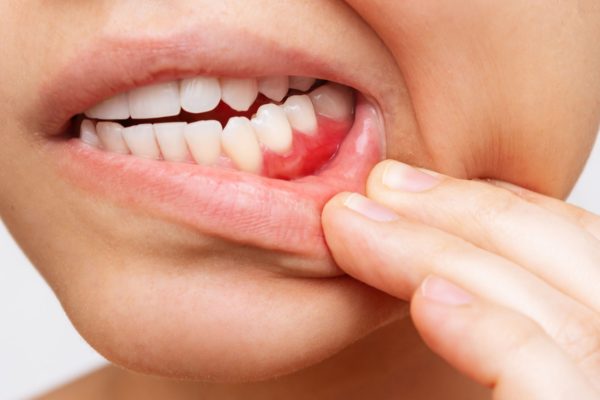
Bleeding gums—especially when brushing or flossing—are often the earliest sign of gum disease. Healthy gums do not bleed, and when they do, it typically means plaque and bacteria are irritating the gum tissue. Puffy, swollen, or tender gums along the gum line are equally important red flags that your gums are reacting to infection.
If your gums bleed easily, feel sore when brushing your teeth, or look shiny and swollen, scheduling an appointment is critical. Early periodontal treatment can reverse gingivitis before it progresses, helping keep your gum tissue healthy and preventing the need for more advanced procedures later.
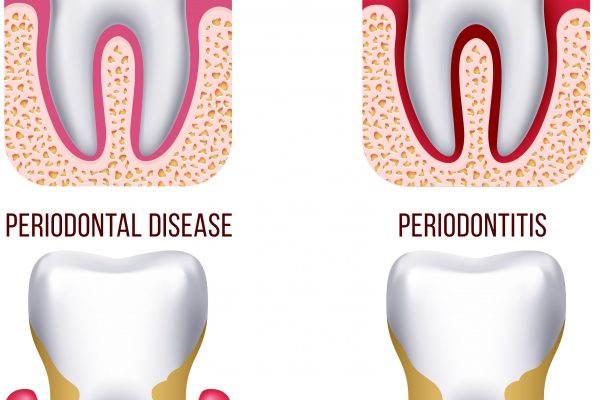
Stages of Gum Disease
- Gingivitis: Gingivitis is the early stage of gum disease and is characterized by red, swollen, and bleeding gums. It is reversible with proper oral hygiene and professional cleaning.
- Initial Periodontitis: If gingivitis is left untreated, it can progress to initial periodontitis. In this stage, the infection begins to affect the bone and tissue that support the teeth.
- Moderate Periodontitis: Moderate periodontitis is characterized by further destruction of the bone and tissue supporting the teeth.
- Advanced Periodontitis: Advanced periodontitis is the most severe stage of gum disease, where there’s significant bone and tissue loss.
Gum Disease Symptoms
Common signs of gum disease include:
- Red, swollen, or tender gums
- Bleeding gums, especially during brushing or flossing
- Receding gums, or gums that pull away from the teeth
- Persistent bad breath or a bad taste in the mouth
- Loose or shifting teeth
- Changes in the way teeth fit together when biting or chewing
- Pus between the teeth and gums
- Tooth sensitivity to hot or cold temperatures
- Changes in the alignment or spacing of teeth
If you experience any of the symptoms listed above, contact Zajac Dental and schedule a consultation. Dr. Zajac will be able to diagnose your condition and discuss your treatment options.
Gum Disease Treatment Options at Zajac Dental
Scaling and Root Planing
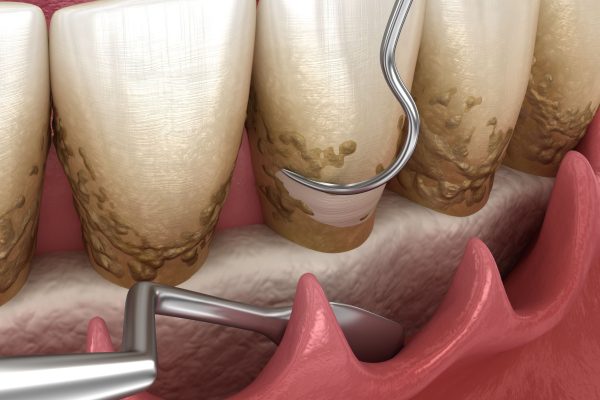
Scaling and root planing, often referred to as non-surgical periodontal therapy, is a comprehensive two-part process. Scaling involves the meticulous removal of plaque, tartar, and bacteria from both above and below the gum line. This process helps eliminate the factors contributing to inflammation and infection.
Root planing follows scaling and involves smoothing the rough surfaces of the tooth roots. This step discourages further bacterial attachment and aids in the healing process. Scaling and root planing are crucial in managing the early stages of gum disease and preventing its progression.
Antibiotic Therapy
In some cases, alongside scaling and root planing, your dentist might prescribe antibiotic therapy. Oral or topical antibiotics may be recommended to control bacterial infection and promote gum healing.
- Oral Antibiotics are taken by mouth in the form of pills or capsules.
- Topical Antibiotics can be applied directly to the gums or placed below the gumline.
It’s important to note that antibiotics are often used as a supplementary treatment and are effective in reducing bacterial growth. However, they’re typically combined with other treatments to achieve comprehensive results.
Surgical Therapy
When gum disease has advanced and non-surgical methods aren’t sufficient, surgical intervention may be necessary to restore gum health. Some common surgical procedures for treating gum disease include:
- Gum Grafting: This procedure involves taking tissue from one area of the mouth and grafting it onto areas where gum tissue has receded. Gum grafting can cover exposed tooth roots, reduce sensitivity, and improve gum aesthetics.
- Bone Grafting: Bone loss often accompanies advanced gum disease. Bone grafting involves placing bone or bone-like materials in areas with diminished bone support. This procedure promotes bone regeneration and provides a stable foundation for teeth.
- Pocket Reduction (Flap Surgery): In cases where deep pockets have formed between the teeth and gums, flap surgery might be performed. The gums are lifted to access and clean the root surfaces, eliminating bacteria and promoting attachment of the gums to the teeth.
- Guided Tissue Regeneration: This technique involves using special membranes to encourage the growth of specific tissues, such as bone and gum tissue, in areas where they have been lost due to gum disease.



Gum Disease Prevention Options
Preventing gum disease from occurring, reoccurring, or spreading, is just as essential for maintaining good oral health as treating it. Here are some tips from Dr. Zajac on how to prevent gum disease:
- Brush your teeth twice a day with fluoride toothpaste.
- Floss daily to remove plaque and food particles from between teeth.
- Use an antiseptic mouthwash to kill bacteria and freshen your breath.
- Limit sugary and starchy foods, which can contribute to plaque buildup.
- Visit your dentist regularly for check-ups and professional cleanings.
- Avoid smoking and tobacco use, which are significant factors in the development and progression of gum disease.
- Limit or completely avoid alcohol consumption.
- Maintain a healthy diet with plenty of fruits and vegetables to provide essential vitamins and minerals for gum health.
- Stay hydrated at all times.
Frequently Asked Questions
Can I remove tartar at home?
Tartar can only be removed by a dental professional. Regular brushing and flossing can help prevent tartar buildup, but once it has formed, it must be removed by a dentist or hygienist.
Can gum disease be cured?
While gum disease cannot be cured, it can be managed with proper treatment and maintenance. Regular dental care and good oral hygiene practices can help control the disease and prevent further progression.
Is gum disease contagious?
Gum disease itself isn’t contagious, but the bacteria that cause gum disease can be transmitted through saliva. It’s important to practice good oral hygiene and avoid sharing utensils or toothbrushes to minimize the risk of spreading the bacteria.
Can plaque and tartar cause health problems beyond the mouth?
Yes, research has shown a link between gum disease and other health problems, such as heart disease, stroke, and diabetes. Maintaining good oral hygiene practices can help prevent these health problems.
Take Control of Your Oral Health with Gum Disease Treatment Options at Zajac Dental
If you’re experiencing any symptoms of gum disease or are concerned about your gum health, contact Zajac Dental in Oakville, ON, for expert care. Dr. Zajac provides affordable gum disease treatment options tailored to each patient’s needs. He can also provide advice on how to prevent symptoms from appearing or reappearing.
Call 905-901-3824 to schedule an appointment with Dr. Zajac. Zajac Dental serves new and returning patients from Oakville and surrounding areas such as Flagarwood, Holton Heights, Sunningdale, and West Oak Trails. Take control of your oral and overall health today.